
Why the World's Best Brands Are Paying Humans to Make Things by Hand
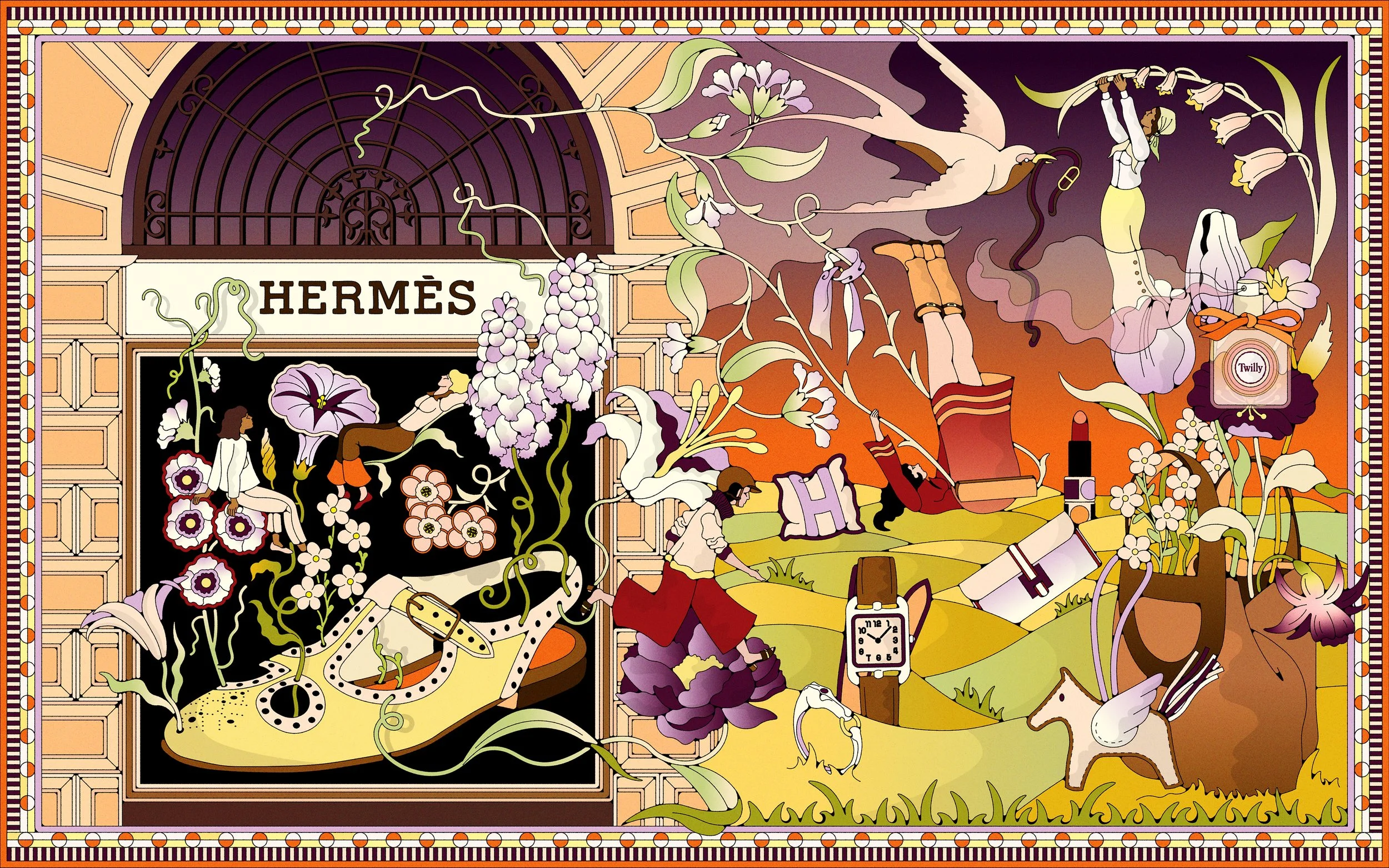
The most recognised brands in the world are commissioning illustration. Not as a nostalgic nod to the past, or a trend they've decided to test. As a deliberate, strategic choice.
That's worth sitting with for a moment.
When Anything Can Be Generated, Authorship Becomes the Point
We're living in a moment where a competent image can be produced in seconds. Polished, plausible, technically passable, and entirely indistinguishable from a thousand other outputs generated from the same prompt.
Which is exactly why the handmade mark carries more communicative weight than ever before.
Audiences feel it even when they can't articulate why. There's something in a hand-drawn line that a generated image simply can’t replicate: the evidence of authorship. The proof that a human was present, making choices, leaving traces.
That's not sentiment. That's signal.
If you want to go deeper on why every visual decision carries meaning, I wrote about design as communication in my last blog post. It picks up where this idea begins.
Hermès: Illustration as Brand Philosophy
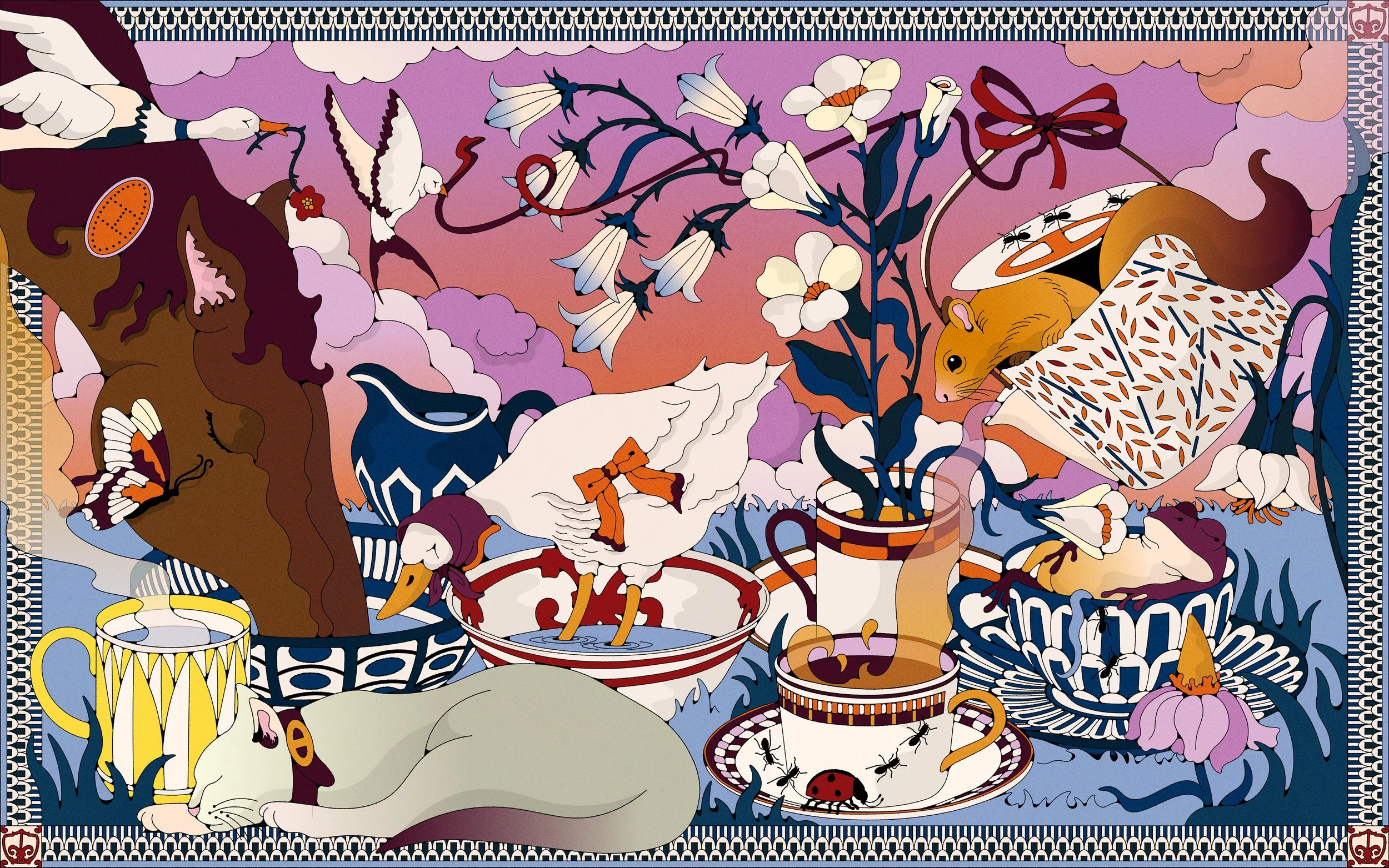
Hermès has commissioned illustrators and artists across their scarves, campaigns, and marketing for decades. For them this isn't an occasional creative experiment. It's a strategic position embedded into the brand's identity.
The hand-drawn quality in Hermès work communicates craftsmanship, individuality, and the kind of care that can't be automated. It reinforces exactly what the brand sells: the idea that something was made with intention, by skilled hands, for someone who values that.
When illustration is this consistent and this deliberate, it stops being a design choice and becomes a brand language.
When Your Visual Language Hits Its Limits
Sometimes a brand's existing visual system simply can't carry the message it needs to send. That's when illustration becomes necessary.
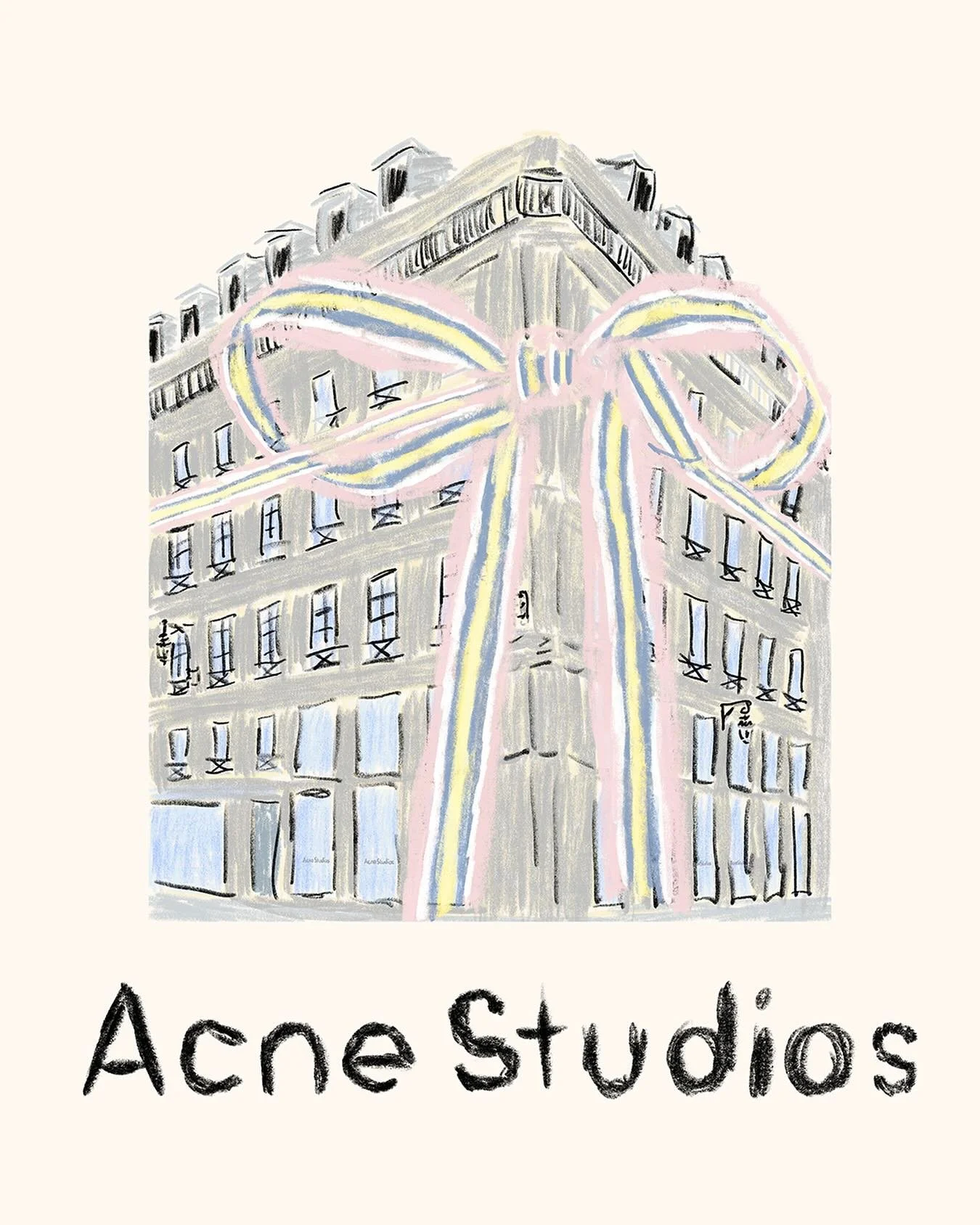
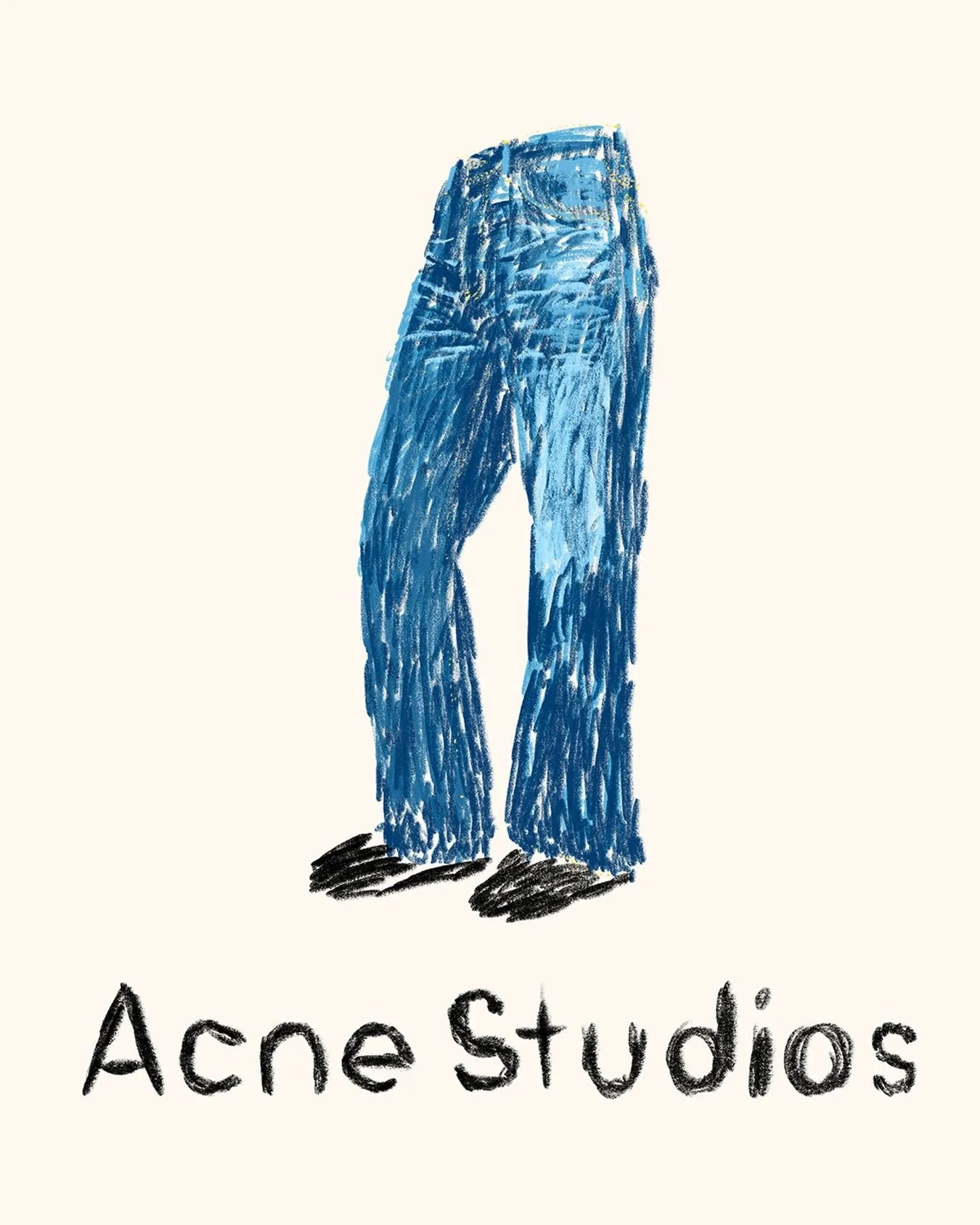
Acne Studios, a brand defined by cool, considered minimalism, brought in artist Michael McGregor for hand-drawn illustrations specifically because their standard visual language couldn't communicate what they needed it to. The imperfection, the humanity, the warmth of a drawn mark did something their usual aesthetic couldn't.
Studio Frith's identity for Jolene Bakery features childlike drawings and rough textures that feel like they were scribbled on a napkin, in the best possible way. The imperfection is the point. It signals care, craft, and human hands.
That's not a failure of polish. That's the brief.
Illustration That Transforms a Commodity
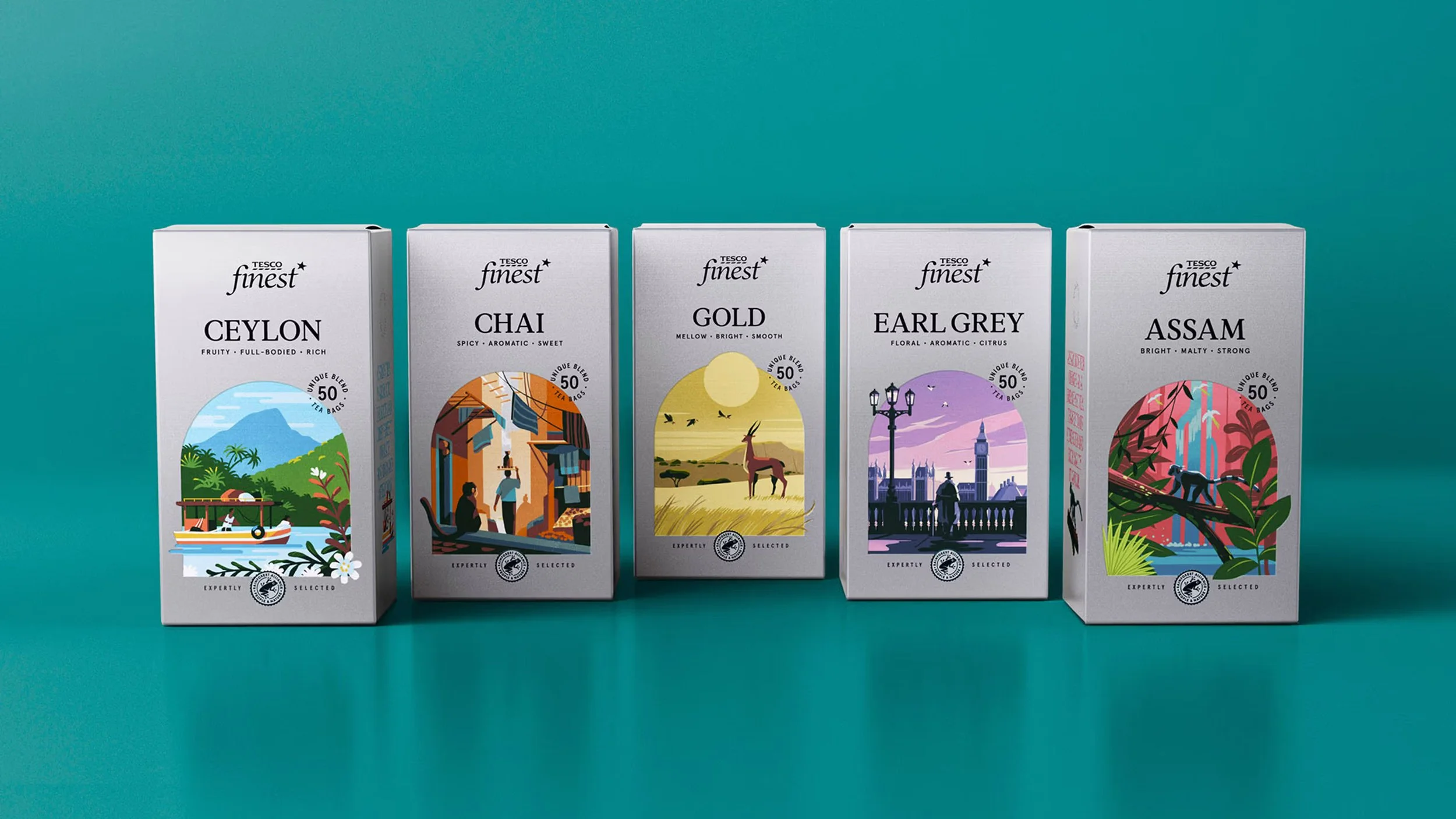
Supermarket own-brand tea is about as competitive and undifferentiated a category as you can find on a grocery shelf. So how do you make someone reach for your box?
Tesco Finest Tea's destination-led packaging by Tom Haugomat anchors each flavour to a richly illustrated locale; stylised landscapes that transport you before you've even brewed a cup. Each variety becomes its own small world. The illustration doesn't just decorate the packaging. It's the entire reason to notice it, pick it up, and remember it.
It demonstrates how illustration can transform mundane retail categories into premium experiences. By investing in bespoke artwork that tells the story of its products, Tesco elevated its tea range from a commodity to a craft.
What This Means for Brands Considering Illustration
The question isn't whether illustration is having a moment. It clearly is. As a direct response to the rise of AI-generated imagery, there's a renaissance of craft and a more humanistic approach to marketing design underway.
The more interesting question is what illustration communicates that other visual approaches can't.
A generated image can be polished. It can be competent. What it cannot be is authored. It carries no fingerprint, no decision-making trail, no evidence that someone cared enough to sit with a brief and make something specific to it.
When brands commission illustration, they're not buying a style. They're buying a signal (to their audience, to the market, to anyone paying attention) that this brand values craft, specificity, and the irreplaceable quality of human creative judgment.
That signal is becoming increasingly rare. Which means it's increasingly valuable.
A Note for Illustrators Reading This
The brands doing this well aren't choosing illustration because it's cheaper, faster, or easier. They're choosing it because it communicates something nothing else can.
That's worth knowing when you're positioning your work, writing your proposals, or talking to clients who ask whether they really need a human illustrator.
The answer, for the brands that understand visual communication, is yes. Emphatically.
If you're thinking about how to present this kind of work, my post on optimising your portfolio covers exactly that. And if you're struggling to get those conversations started in the first place, this post on client outreach is worth a read.